Our Stories

Each story highlights one of these beginnings—the moment flourishing takes hold for a child, a young person, or a community—and trace how it grows into lasting impact across early learning centres, schools and school support, and youth services. Because this is where flourishing begins—and from here, flourishing starts.

A smiling Y WA staff member in a black t-shirt talks with community members at an outdoor event
01

Championing children at East Cannington Early Learning Centre

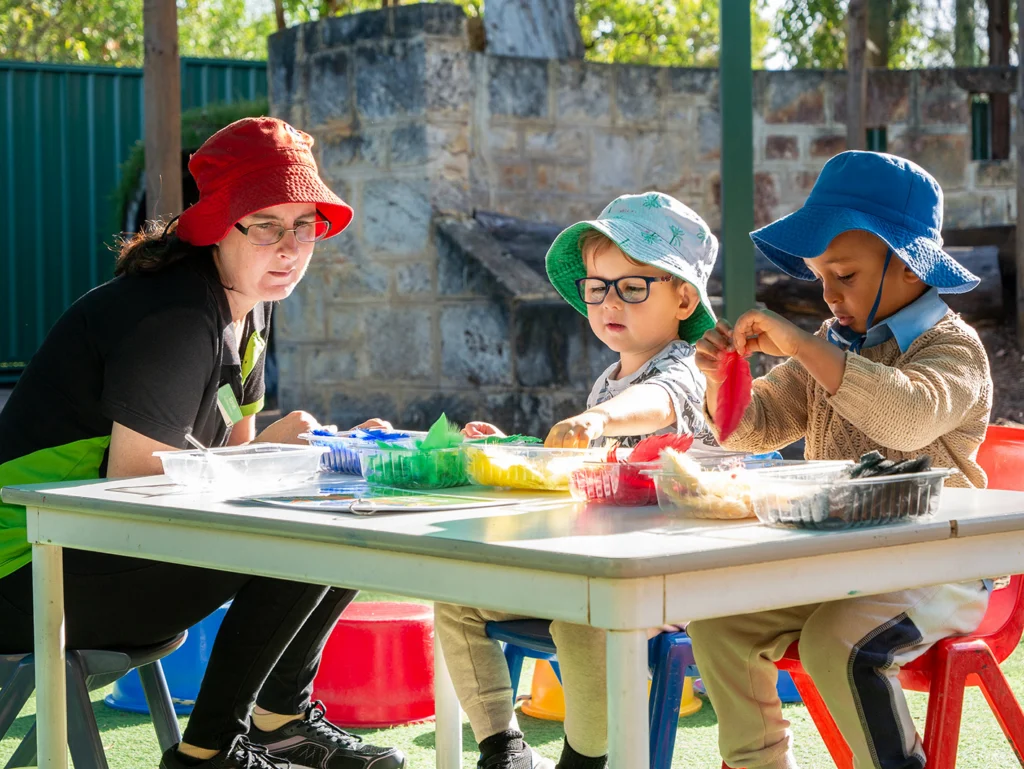
When ‘Noah’ started at the Y East Cannington Early Learning Centre, he was quiet, uncertain and struggling to find his place. But thanks to the care, expertise and dedication of Y WA educators, his story took a very different path. 

As staff got to know Noah, they noticed signs that his speech and language development may need additional support. Their early observations and proactive approach led to conversations with his family and a referral to a speech therapist. 

“Having that flagged was a real turning point for us,” Noah’s parent recalls. “We hadn’t fully taken the extent of it seriously ourselves, so the staff noticing it made all the difference.” 

Working closely with Noah and his family, educators supported his participation in therapy and created an environment where he could continue building his communication skills every day. As his speech improved, so did his confidence. 

“What stood out to us was how caring and attentive the staff were. They treated Noah as an individual, not just one of many children in a group. The support went well beyond what we expected, and it has made a lasting difference.” 

Today, Noah is preparing to start school with stronger communication skills, greater confidence and a solid foundation for the future. His journey is a powerful example of how Y WA staff change lives through early identification, genuine care and a commitment to helping every child reach their potential. 

Having that flagged was a real turning point for us,

02

Building confidence and leadership through Youth Parliament

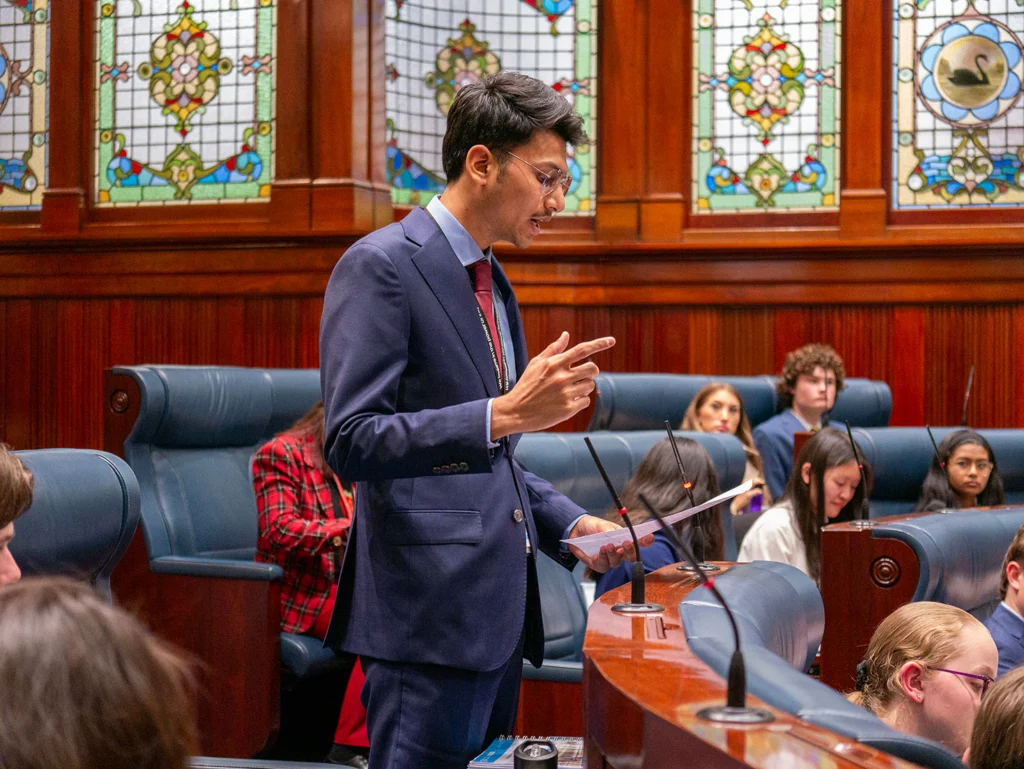
Young people don’t just leave Youth Parliament with a better understanding of democracy. They leave with greater confidence, stronger leadership skills and a belief that their voice matters. 

For many participants, the most powerful part of the experience was the sense of belonging it created. 

“I think the best thing has been the connections with the people and the sense of community I feel,” one participant shared. “I have grown so much and really hope I can participate again next year.” 

The program also helps young people push beyond their comfort zones and discover what they’re capable of. 

“I was able to challenge my anxiety in a fairly low-stakes environment,” another participant reflected, “but I’m coming out of it feeling good about my anxiety instead of bad, as I usually do after public speaking.” 

Others spoke about developing the self-esteem to advocate for issues that matter. 

“I’ve grown so much as a young leader,” one participant said, “and feel more empowered to advocate for the issues that matter to my community.” 

A standout moment for many was taking their ideas all the way to Parliament House. 

“The privilege to speak in Parliament House and have our concerns listened to by real Members of Parliament was incredible,” one participant shared. “The opportunity to have a voice and be heard was invaluable to me.” 

These stories reflect the lasting impact of Y WA’s Youth Parliament. By creating opportunities for young people to lead, connect and be heard, the program is building the next generation of leaders, advocates and changemakers. 

I think the best thing has been the connections with the people and the sense of community I feel,

03

Strengthening belonging through play in the park

The early years of parenthood can be joyful, but they can also be isolating. For many parents, the arrival of a new baby brings significant changes to daily life, routines and relationships. Families may find themselves navigating uncertainty, building new support networks and seeking opportunities to connect with others who understand the challenges and rewards of raising young children. 

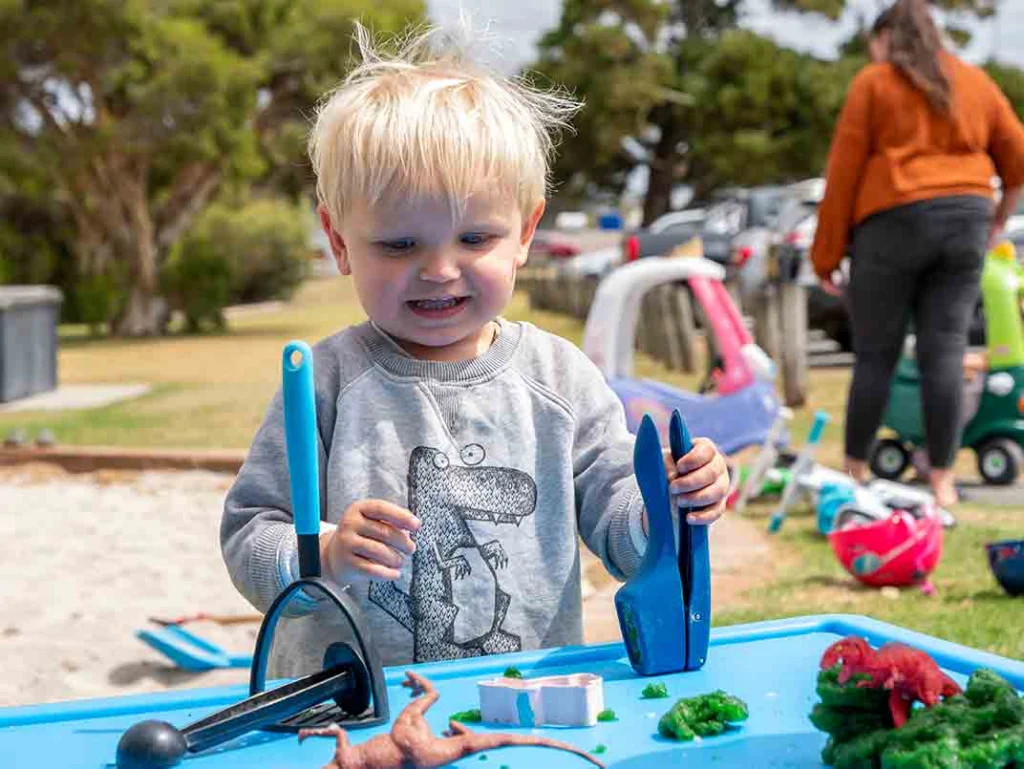
Across the Great Southern region, Play in the Park is helping families find that connection. Through welcoming playgroup sessions, parents and caregivers come together to share experiences, build friendships, access support and enjoy meaningful moments with their children. 

For many families, Play in the Park becomes a vital part of community life. Relationships formed during sessions often extend well beyond the playgroup itself, creating trusted networks of support during some of the most important and demanding years of family life. 

One mother from Mt Barker, originally from Germany and without family nearby, found friendship, advice and encouragement through the program. When her second child was born, fellow parents stepped in with meals, childcare support and practical help, transforming a group of strangers into a community she could rely on. 

Each week, children eagerly gather as Play in the Park arrives, ready to explore, play and learn together. Through storytelling, creative activities and shared play experiences, children develop confidence, curiosity and social skills in a safe and welcoming environment. 

At the same time, parents and caregivers connect with one another, creating a vibrant community where conversations, shared experiences and mutual support flourish alongside children’s development. 

During a recent visit, the impact was evident in the relationships formed over time. Families engaged naturally with one another while children of different ages played side by side. Parents participated in activities alongside their children, sharing moments of learning and discovery while building a stronger sense of belonging within their community. 

Every week, Play in the Park brings families together, reduces isolation and strengthens our community. By creating spaces where children and caregivers can learn, play and grow together, the program is helping families flourish and building stronger communities across the Great Southern region. 

04

School engagement and community connection in Newman

For many children in Newman, getting to school is not as simple as catching a bus or walking through the gate. Geographic isolation, financial pressures and other barriers can make regular attendance challenging for families, contributing to attendance rates that have historically been lower than those seen in metropolitan Perth. Encouragingly, attendance has continued to improve, increasing by almost 4 per cent between 2024 and 2025. At Y WA, we’re helping drive that progress by working alongside Aboriginal and Torres Strait Islander families to ensure children have the support they need to participate in school, community and everyday life. 

Through the Education Engagement Attainment Initiative, known locally as Pakala Jijikaja Yankuni-la!, Y WA provides practical and culturally responsive support that removes barriers to education and wellbeing. Whether it’s helping a child get to school, providing essentials such as uniforms, shoes and food assistance, or creating opportunities for families to connect with their community, the program helps children show up, belong and flourish. 

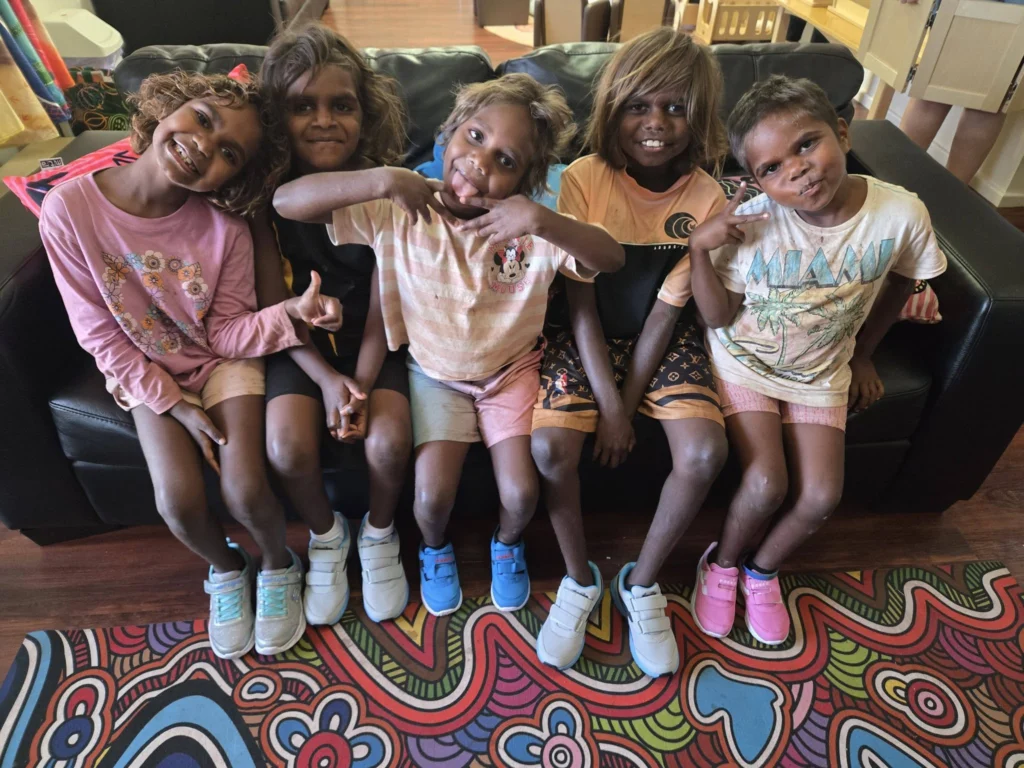
Through the Family Engagement program, staff provide school transport while building trusted relationships with families and identifying other areas where support may be needed. One family received daily transport alongside assistance with school uniforms, shoes and food support, helping ensure their children could attend school consistently. In another instance, 5 children attending playgroup arrived without shoes. The team provided each child with new shoes and socks, and all 5 returned the following week, highlighting how small interventions can remove significant barriers to participation. 

These practical supports do more than meet immediate needs. They create pathways for children to engage in education, build confidence and strengthen their connection to community. 

The program also helps children develop the social connections and sense of belonging that underpin educational success. One pre-primary student now spends her trip home enthusiastically sharing stories about the friends she has made at school. Another child, who had previously faced significant barriers to attendance, completed 2 full weeks of school after regularly attending playgroup alongside their mother. 

Y WA also helps families celebrate important milestones together. At Newman Primary School’s Christmas concert, families were provided with transport, seating and refreshments, ensuring parents and carers could share in their children’s achievements and feel connected to the school community. 

Beyond education, the program creates opportunities for families to connect, learn and flourish together. Through the NIAA-funded Kayak Club, more than 170 young people and adults have participated since late 2025, developing water safety skills, building confidence and strengthening relationships across the Newman community. 

05

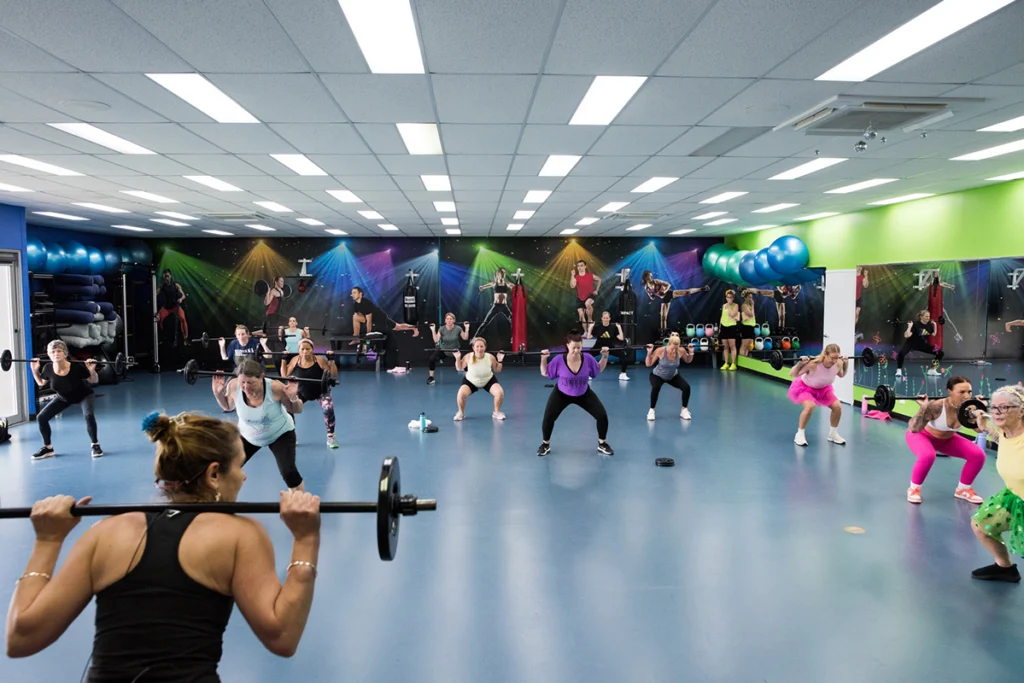
Our community at Serpentine Jarrahdale Recreation Centre

For many members of the Serpentine Jarrahdale Recreation Centre, flourishing begins with being welcomed by name. It grows through conversations, familiar faces and the feeling of belonging to a place where people genuinely care about one another. 

Members consistently describe the centre as more than somewhere to exercise. It’s a place where they feel seen and valued. 

“There is one staff member who is very nice and loving to all of the members. He is my only friend,” one member shared. 

Another reflected, “The staff are always so helpful and cheery, which makes me feel so nice.” 

And for one long-standing member, kindness is what stands out most: “I love this place because the staff here have been nothing but kind to me and others here.” 

Over time, our recreation centre has become more than a place to gym, swim and play.  

“It’s more of a community than a gym.” 

“The community vibes are amazing. We’ve been to other gyms and always come back.” 

“I love coming for the exercise, fun and friendship.” 

“It’s more than just a gym, it’s a fitness family!” 

For older adults, the Centre provides opportunities to stay active while maintaining important social connections. Parents can participate in fitness programs knowing their children are welcomed. Across classes, activities and shared spaces, friendships form, confidence grows and instructors become trusted people who encourage and champion participants along the way. 

One member captured this impact simply: 

“This centre provides a friendly, safe place for seniors to stay fit and socially connected. It means the world to me.” 

At its heart, the Serpentine Jarrahdale Recreation Centre is a place where people know they belong. It is a place where familiar faces greet them, where their presence matters, and where connections strengthen over time. 

In 2025-26, the centre welcomed more than 286,000 visits. While that number reflects the scale of participation, it is the relationships behind those visits that tell the deeper story. Every visit is an opportunity for connection. Every friendship contributes to a place where people feel supported to be themselves.

There is one staff member who is very nice and loving to all of the members. He is my only friend,

06

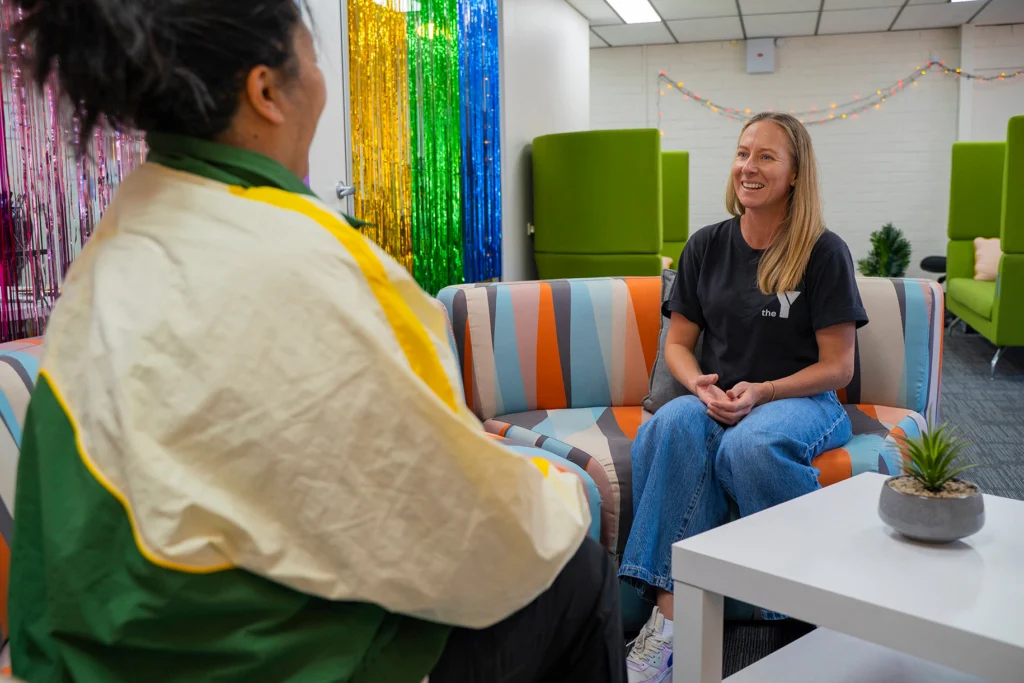
Changing futures through case management

Every young person’s journey looks different, but at the Y WA, the impact starts the same way: a trusted adult who shows up, listens and helps them take the next step forward. 

Through Case Management across Armadale, Belmont and Leederville, young people are building confidence, strengthening connections and creating positive pathways for their future. Progress is measured using the Positive Youth Development (PYD) framework. Through regular check-ins, the PYD framework translates personal growth into measurable outcomes. Higher scores indicate that young people are developing the skills and confidence needed to flourish, including managing emotions, building healthy relationships, engaging in education and making positive decisions about their future. The improvements recorded across this cohort show that young people are not only feeling more connected and supported but are also building the resilience and independence. 

At Armadale, Maya learned to better understand and communicate her emotions, helping her navigate a significant transition back into her mother’s care and access important supports independently. 

“I am able to better understand and control my emotions for a more positive mental and physical health due to the help of my case manager,” she said. 

Her confidence score increased from 10.00 to 13.33, while her sense of connection grew from 12.50 to 16.25. 

At Belmont, Jayden found more than someone to talk to. Through regular conversations with his Case Worker, he developed strategies to manage conflict, improved his school attendance and became more engaged in daily life. 

“You will learn things and do better in your life,” he said. 

In just 2 months, his overall PYD score increased from 63.24 to 72.06, with strong gains in both character and connection. 

For Ethan, Case Management helped turn anger into opportunity. Through ongoing support, he worked through past trauma, built healthier coping strategies and developed new goals for his future. 

“My confidence has increased and I no longer get angry,” he shared. 

His overall PYD score increased by 19.12 points, rising from 66.18 to 85.29, with significant growth in confidence, competence and connection. Today, he is exploring opportunities in basketball coaching and planning what’s next. 

At Leederville, Liam entered the program while involved in the justice system. With consistent, non-judgemental support from his Case Worker, he moved into stable accommodation, started at a new school and began planning for future study and employment. 

“My Case Worker showed me what is in my control and what I am capable of.” 

His PYD score increased by 20.59 points, the largest improvement recorded across this cohort. 

For Sophie, the impact was preparing for adulthood with confidence. From accessing health services and enrolling in university to developing job-seeking skills and healthy relationships, she achieved a range of personal goals with the support of her Case Worker. 

“No matter what happens in a situation, my Case Worker is there for me.” 

Her PYD score increased from an already strong 86.76 to 95.59, while confidence and connection continued to grow. 

These stories demonstrate the difference the Y WA makes in the lives of young people every day. Whether it’s improving school attendance, overcoming personal challenges, building independence or creating new opportunities, our Case Workers help young people develop the confidence, skills and support networks they need to flourish. 

Note: Maya, Jayden, Ethan, Liam and Sophie are pseudonyms. Names have been changed to protect the identities of the young people featured; all other details, quotes and scores are drawn directly from their case management records with their consent. 

I am able to better understand and control my emotions for a more positive mental and physical health due to the help of my case manager,

07

Sustainability Changemakers at West Leederville OSHC

At West Leederville OSHC, children are not simply learning about sustainability, they are leading it.

Through its child-led Sustainability Committee, West Leederville OSHC gives children a genuine voice in creating a more sustainable service and wider school community.

Children and educators work together, with input from families and the school community, to identify where change is needed and turn ideas into action. Their Sustainability Action Plan embeds environmental responsibility into everyday practice, rather than limiting it to one-off activities.

The children are the leaders and changemakers behind this work. They maintain and care for gardens, practise recycling, find ways to reduce waste and encourage others to make more sustainable choices. Through self-audits, they also review the service’s existing practices, identify opportunities to improve and put solutions into action.

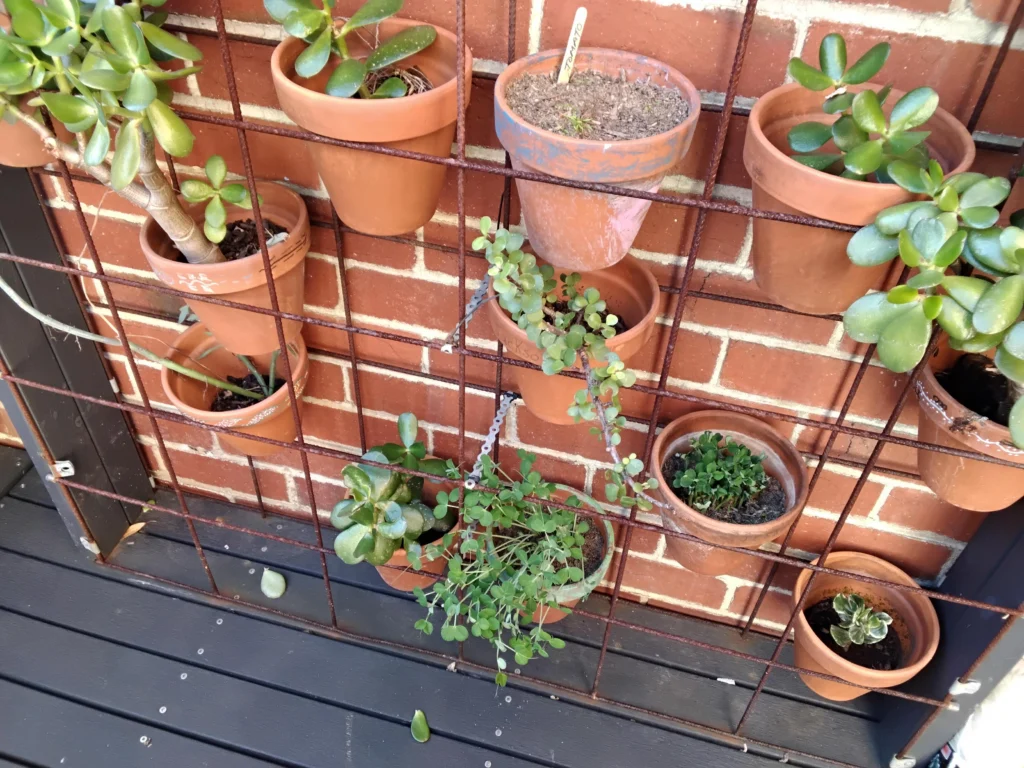
These ideas come to life through simple, practical experiences. Plants in pots decorated and cared for by the children are beginning to flourish, giving them a tangible example of their care for the environment. When families donated boxes, children transformed them into market stalls for Market Day, turning potential waste into an opportunity for reuse and imaginative play.

By putting children in the driver’s seat, West Leederville OSHC is building leadership, critical thinking and responsible decision-making skills. Children are trusted to identify challenges, develop solutions and take action, then share what they learn with educators, families and the wider school community.

From gardening and recycling to reducing waste and rethinking everyday practices, the children at West Leederville OSHC show how small actions create meaningful change.

Most importantly, they are learning that they have the power to shape their environment and help create a more sustainable future.

From gardening and recycling to reducing waste and rethinking everyday practices, the children at West Leederville OSHC show how small actions create meaningful change.